

Signs of Gifted Child Burnout: Why Smart Kids Quietly Quit School
When I was in elementary school, there wasn't a behavior box on my report card that I didn't check. Talking too much. Out of my seat. Distracting others. Not following directions. If it was listed, chances are I earned it.
The interesting part? I was also a straight-A student.
Many assignments that were supposed to take the class 45 to 60 minutes took me five or ten. Once I finished, I still had nearly an hour left while everyone else worked. I wasn't trying to be disruptive—I had simply finished. So I cleaned out my desk, made paper crafts, sharpened pencils that didn't need sharpening, talked to classmates, and yes...talked to the teacher. Looking back, I understand why my teachers were frustrated. Looking back as an educator, I also realize they were responding to my behavior without recognizing what was causing it.
Today, I see the same thing happen with many gifted learners.
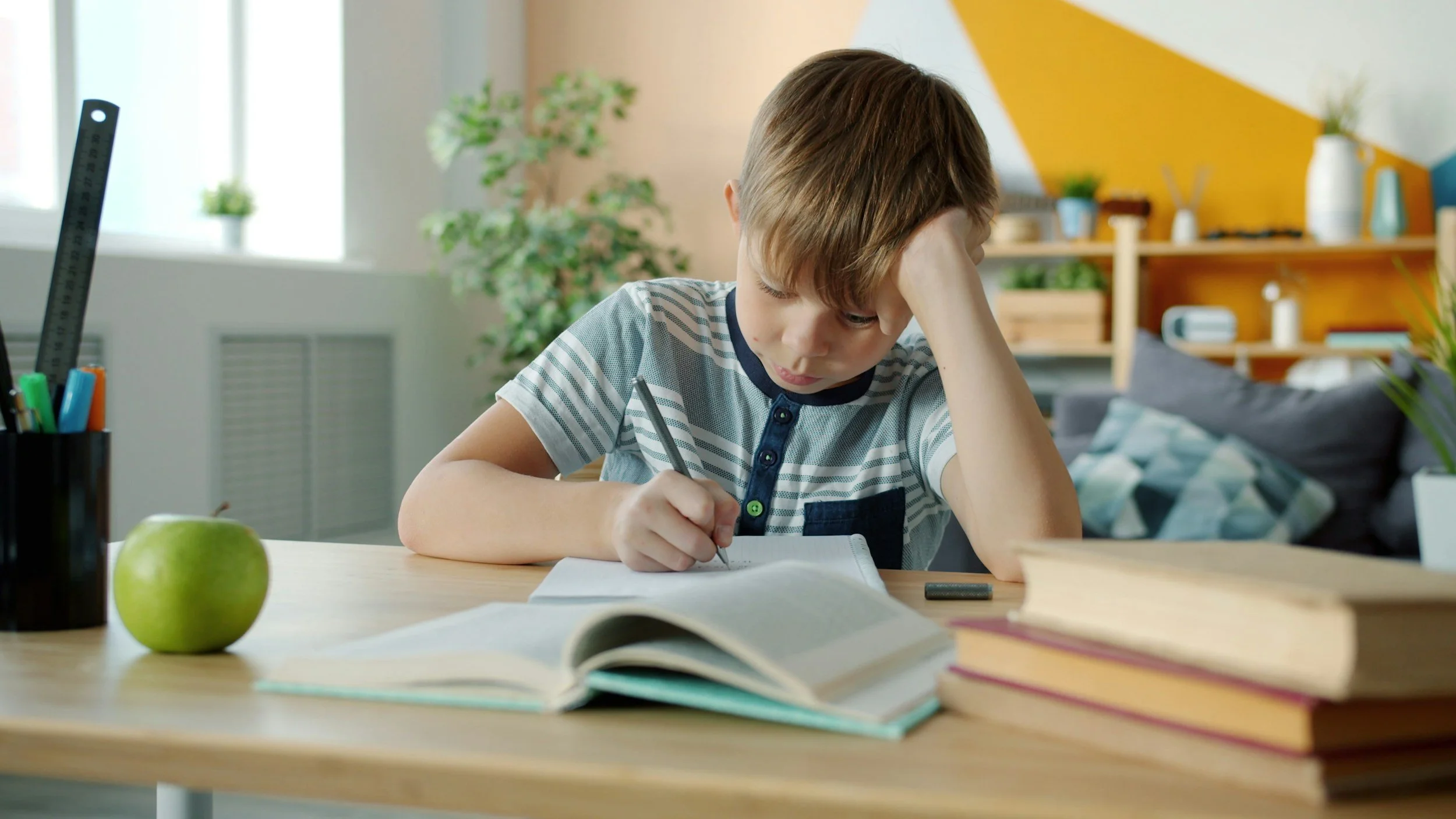
Gifted child burnout doesn't always look like exhaustion or failing grades. More often, it looks like a child who slowly loses interest in learning. They still earn good grades. They still complete their work. But the excitement is gone because school has become predictable. When children spend day after day reviewing concepts they've already mastered, many stop seeing school as a place where they grow. Instead, it becomes a place where they simply complete assignments.
That doesn't mean every gifted child responds the same way. Some become quiet and withdrawn. Others rush through their work and distract classmates. Some stop putting forth effort because they know they'll earn an A anyway. Others are labeled lazy, unmotivated, or behavior problems. The behaviors may look different, but the common thread is that many of these children are no longer being challenged.
One of the biggest misconceptions about gifted learners is that good grades mean everything is fine. They don't. Report cards tell us how well a child performed within a particular classroom, but they don't tell us whether that child is being challenged to think deeply, solve complex problems, or reach their potential. A gifted child can be academically successful while quietly disengaging from learning.
If your child has started saying school is boring, finishes work unusually quickly, or seems less interested in learning than they once were, it's worth paying attention. That doesn't automatically mean they're gifted, nor does it mean they need a different school. But it does mean it's time to ask a deeper question: Is my child burned out from working too hard, or have they stopped growing because the work isn't challenging enough?
Every child deserves to experience the joy of learning something new. Sometimes that means advocating for more challenge within their current school. Other times, it means exploring different educational options that allow children to learn at a pace and depth that matches their abilities. The important thing is recognizing that gifted child burnout is real, and it often begins long before grades begin to fall.
Wondering Whether Your Child Needs Something Different?
If you're beginning to question whether your child's current school is helping them reach their full potential, download my free Parent's Guide to Alternative Education. It explains the differences between traditional schools, homeschooling, online schools, microschools, and hybrid learning so you can make an informed decision based on your child's unique needs—not just their report card.